
Why So Many People Are Turning to AI for Emotional Connection — And What It Reveals About Human Relationships
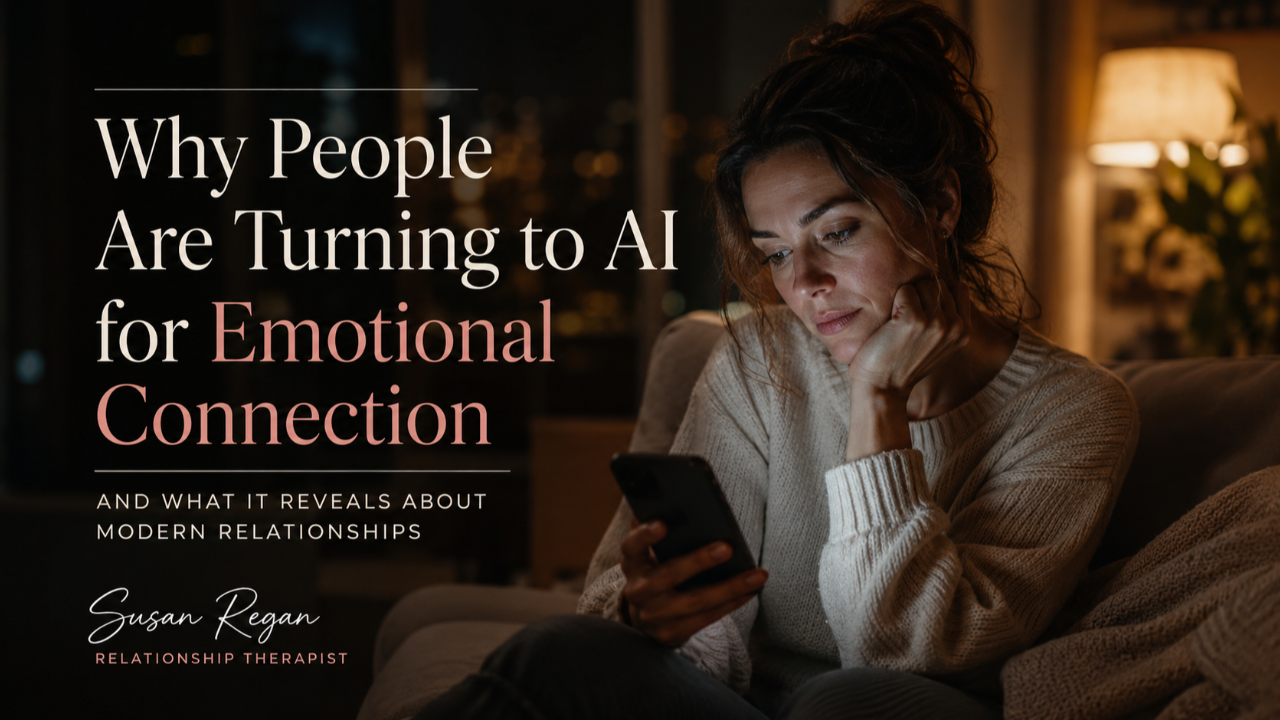
The Rise of AI Companions and What It Reveals About Human Connection
“People are not just looking for connection. They are looking for emotional safety.”
A few years ago, the idea that millions of people would turn to artificial intelligence for emotional comfort would have sounded almost absurd. Most people imagined AI as something functional — a tool for work, organization, or information. But over the last year, something much deeper has emerged. People are now using AI companions and chatbots for emotional support, comfort, validation, and even intimacy. What’s fascinating is not simply the technology itself, but what this growing trend reveals about modern relationships, loneliness, emotional exhaustion, and the human need to feel understood.
The conversation around AI companionship often becomes polarized very quickly. Some people dismiss it as unhealthy or dystopian. Others view it as the inevitable future of emotional connection. But beneath all the opinions, there is a more important psychological reality worth paying attention to. People are emotionally hungry. Many individuals are carrying an enormous amount of loneliness, relational fatigue, emotional burnout, and disconnection, even while living highly connected digital lives.
That’s part of why AI companionship feels so emotionally powerful to some people. Human relationships are complicated. They involve vulnerability, emotional unpredictability, differing needs, misunderstandings, disappointment, accountability, and conflict. Real intimacy asks us to tolerate discomfort sometimes. It asks us to remain emotionally engaged even when things feel imperfect. For people who have experienced criticism, emotional neglect, betrayal, abandonment, rejection, or chronic conflict, that level of vulnerability can feel incredibly threatening.
AI interactions, by contrast, often feel emotionally safe.
There is no eye rolling, no withdrawal, no criticism, no emotional shutdown, and no fear that the conversation will suddenly become hostile or rejecting.
The interaction is available on demand. It responds consistently. It mirrors emotional language back to the user in a soothing and validating way.
For someone who has spent years feeling emotionally dismissed or misunderstood, that experience can feel incredibly comforting.
But what’s important to understand is that this trend is not really about people preferring machines over human beings. It’s about people craving emotional steadiness. It’s about the desire to feel heard without fear. It’s about emotional exhaustion and the growing difficulty many people experience in maintaining emotionally connected relationships in modern life.
Many couples today are not struggling because they do not love one another. They are struggling because stress, emotional overload, resentment, burnout, and unresolved patterns have slowly weakened emotional connection over time. People are juggling work demands, financial anxiety, parenting stress, social media comparison, digital distraction, and nonstop stimulation. Under those conditions, emotional responsiveness often deteriorates. Partners become more reactive, less patient, less emotionally available, and more focused on logistics than connection.
- Over time, emotional safety begins to erode quietly.
- Conversations become more guarded. Vulnerability decreases. Defensiveness increases.
- Small emotional hurts accumulate without repair.
- Eventually, many people stop reaching for one another emotionally because the relationship no longer feels emotionally safe enough for openness.
This is one of the biggest misunderstandings about intimacy. Most people assume intimacy disappears because attraction fades or love weakens. But very often intimacy weakens because emotional safety weakens first. People cannot fully relax into connection when they feel chronically criticized, dismissed, ignored, invalidated, or emotionally alone.
Signs Emotional Safety May Be Eroding In A Relationship
- Conversations feel tense or guarded
- One or both partners avoid vulnerability
- Conflict escalates quickly or never gets resolved
- Emotional needs stop being expressed openly
- Resentment quietly replaces curiosity
- Partners feel emotionally alone even while together
That’s one reason the rise of AI companionship matters psychologically. It highlights how desperate many people are to feel emotionally understood. Even simulated emotional responsiveness can feel meaningful when someone has gone a long time without feeling truly heard.
Emotional safety has quietly become one of the most important relationship needs in modern life. For years, relationship advice focused heavily on communication strategies and conflict resolution techniques. While those tools can absolutely help, communication skills alone do not repair relationships where emotional safety has been lost. People struggle to communicate openly when they fear criticism, dismissal, escalation, or emotional abandonment.
When someone feels emotionally safe, they become more honest, vulnerable, flexible, and emotionally available. They are more capable of listening without defensiveness and more willing to repair after conflict. Emotional safety creates the conditions necessary for intimacy to grow.
This is also why so many relationship conflicts are rarely about the surface issue itself. Couples often become trapped arguing about chores, texting habits, tone of voice, finances, parenting decisions, or household responsibilities. But underneath those arguments are usually deeper emotional fears and longings. One person may feel unseen. Another may feel unimportant. Someone else may feel rejected, emotionally abandoned, unappreciated, or chronically misunderstood.
Without emotional awareness, people react automatically to those underlying feelings. One partner withdraws. The other pursues harder. Someone becomes defensive. Another shuts down emotionally. Over time, these reactions create repetitive relationship cycles that leave both people feeling disconnected and frustrated.
“Most relationship conflicts are not really about the surface issue. They’re about the emotional meaning underneath it.”
This is where self-awareness becomes incredibly important. Emotional awareness allows people to pause long enough to understand what is actually happening underneath their reactions. Instead of immediately attacking, withdrawing, or escalating, people can begin recognizing the deeper emotional meaning driving the conflict.
For example, a disagreement about communication may actually be about fear of abandonment. Anger about household imbalance may actually be grief about feeling unsupported and emotionally alone. Frustration over emotional distance may actually reflect a longing to feel chosen, prioritized, and connected again.
Awareness changes relationships because it interrupts emotional autopilot.
And that pause matters.
The growing popularity of AI companionship also raises an important question about friction in relationships. Healthy intimacy is not built through endless validation or constant emotional ease. Real human connection requires mutuality. It requires navigating competing emotional realities, tolerating imperfection, repairing after misunderstandings, and learning how to stay emotionally engaged through discomfort.
An AI companion can adapt endlessly to the emotional needs of the user. Human beings cannot. Real partners have their own fears, limitations, moods, insecurities, and emotional needs. That complexity is what makes human relationships challenging, but it is also what gives intimacy depth.
There is something psychologically important about learning how to remain connected to another imperfect human being. Through healthy relationships, people develop empathy, resilience, emotional regulation, trust, patience, and vulnerability. Human intimacy stretches us emotionally in ways that personalized technology often cannot.
At the same time, dismissing people who find comfort in AI companionship misses the deeper point entirely. Many individuals are emotionally exhausted. Dating culture has become increasingly discouraging for some adults. Social media has intensified comparison, performance, and unrealistic expectations around attraction and communication. Many people are deeply lonely while appearing socially connected online.
Loneliness itself is also widely misunderstood. Being lonely is not always about physically being alone. Some of the loneliest people are sitting next to their partners every evening feeling emotionally disconnected. They are having practical conversations while avoiding emotional ones. They are functioning together operationally while intimacy quietly disappears underneath the surface.
There is often grief inside emotional disconnection. Grief over no longer feeling emotionally chosen. Grief over missing the emotional closeness that once existed. Grief over feeling unseen in a relationship that outwardly still appears functional.
That emotional hunger is what makes this cultural moment so important to pay attention to. People are not simply looking for entertainment or distraction. They are searching for emotional responsiveness, steadiness, understanding, and relief from relational loneliness.
Ironically, one of the most valuable lessons we can take from the rise of AI companionship is that emotional connection matters more than ever. People are longing for conversations that feel emotionally meaningful instead of transactional. They want to feel understood rather than managed. They want relationships that feel emotionally safe enough for honesty and vulnerability.
Healthy relationships are rarely built through dramatic gestures alone.
They are built through repeated moments of emotional attentiveness and responsiveness.
- Feeling listened to.
- Feeling considered.
- Feeling emotionally prioritized.
- Feeling repaired with after conflict.
- Feeling emotionally safe enough to be fully honest.
These small moments create emotional trust over time.
The challenge for many couples is that emotional disconnection usually happens gradually. It often emerges through hundreds of tiny moments where stress, resentment, distraction, defensiveness, or emotional exhaustion slowly replace curiosity and connection. Partners stop turning toward one another emotionally. Vulnerability decreases. Emotional intimacy weakens.
But relational healing also tends to happen in small moments.
That’s the hopeful part.
- Small moments of listening differently.
- Small moments of accountability.
- Small moments of emotional honesty.
- Small moments of repair.
- Small moments where someone feels understood again.
This is why emotional awareness remains one of the most important relational skills people can develop. When individuals understand their own attachment patterns, emotional triggers, fears, and protective reactions, they become more intentional in how they show up relationally. They become less reactive and more emotionally present.
The future of relationships will undoubtedly continue evolving alongside technology. AI companionship will likely become more sophisticated and emotionally responsive over time. But the deepest human relational needs are not changing.
People still want to feel:
- Safe
- Loved
- Valued
- Emotionally understood
- Chosen
- Genuinely connected
Those needs remain deeply human.
The challenge is that meaningful intimacy requires emotional courage.
It requires vulnerability, accountability, repair, patience, honesty, and the willingness to remain emotionally engaged through imperfection.
Perhaps this cultural moment is reminding us of something essential: being emotionally understood is not a luxury. It is one of the deepest human needs we carry.
At Relationship Solutions Programs, Susan Regan’s work continues to focus on helping individuals and couples better understand the emotional patterns that shape intimacy, conflict, communication, and relational healing. Upcoming workshops and educational programs will continue exploring these themes through thoughtful conversations, emotional insight, and practical tools that help people create healthier and more connected relationships.
To learn more about upcoming workshops, relationship education resources, and new programs, visit Relationship Solutions Programs.

Stay connected with news and updates!
Disclaimer
The views, opinions, and content expressed and produced by our guests do not necessarily reflect the views, opinions, or policies of Relationship Solutions Programs or Susan Regan. If you have any questions, concerns, or feedback regarding content, please contact Susan Regan.